-
Henry Ajder on generative AI: 'We need a balance between excitement and supervision'
 Henry Ajder is a renowned expert on generative artificial intelligence (AI) and deepfakes. He advises companies and governments including Adobe, Meta and the European Commission on the impact of AI on business and society. Ajder also hosted "The Future Will Be Synthesised", a BBC radio series on deepfakes...
 -
Carbon capture, utilisation and storage: a polarising or pragmatic part of the EU climate toolbox?
 Carbon capture, utilisation and storage technologies could help tackle hard-to-abate emissions in the fight against climate change, but they face challenges in investment, viability and scepticism when it comes to risks of greenwashing and allowing business as usual. Carbon capture, utilisation and...
 -
Science-driven solutions for sustainable food
 This event, organised by the European Research Council (ERC) and the European Parliament's Panel for the Future of Science and Technology (STOA), will address the critical role of curiosity-driven, frontier research in solving practical challenges in sustainable food production and consumption. 10...
 -
'Heavy red meat eaters could be CO2-taxed in the future'
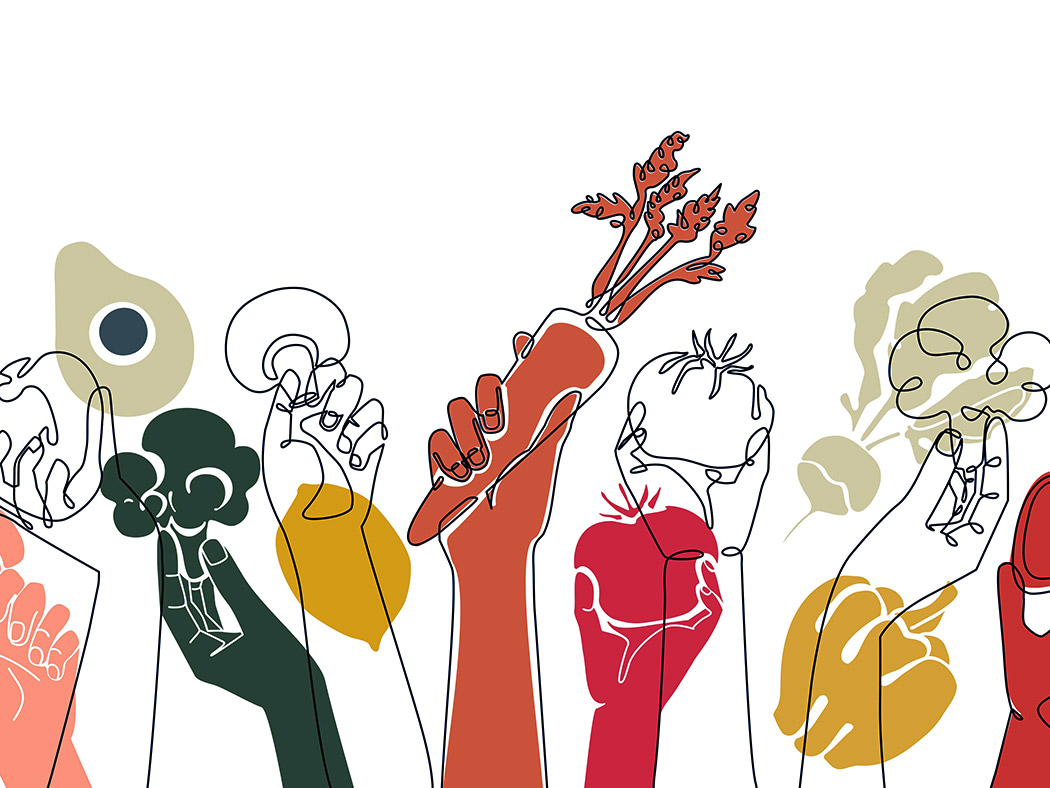 "However, we also propose that fruit and vegetables should become more affordable." Interview with Eric Lambin, Chief Scientific Advisor to the European Commission, about the scientific consensus towards sustainable food consumption in the EU and the new scientific opinion on this topic. If you...
 -
The use of non-invasive brain stimulation for mental health and more: ethics and EU regulation
 As part of an international research consortium (the EU-funded STIMCODE project), senior researcher Dr Moritz Julian Maier and his team have just developed recommendations on EU regulation and a code of conduct regarding non-invasive brain stimulation techniques: electrically or electromagnetically stimulating...
 -
Challenges and opportunities linked to the use of collaborative industrial robots ('cobots') in Europe
 In recent years, the growth of collaborative robots has been significant even if it remains a small market. "Cobots" are not designed to replace humans but to collaborate with them, providing assistance for difficult or arduous tasks. Today, EU companies are leading the way in collaborative robot technology,...
 -
Furthering international research cooperation in a fragmented world
 According to UNESCO, a quarter of all scientific publications are the result of international cooperation between researchers. This shows the importance of cross-border scientific collaboration. Sometimes however, geopolitical factors get in the way and impact this cooperation. Nevertheless, policy...
 -
ESMH Media Review – July 26, 2023
 In the spotlight Extreme heat in Europe is becoming the new normal — prompting tourists toward cooler destinations cnbc, 24.07.2023 More tourists are thought to be prioritizing milder temperatures or even off-season travel to avoid spending their time away in oppressive heat. Europe is currently...

European Science-Media Hub
Bringing scientists, journalists and policymakers together: communicate better sound science to all