disinformation
-
Walter Quattrociocchi on the Infodemic and how disinformation spreads on different social media
 Associate Professor Walter Quattrociocchi of the Sapienza University of Rome recently published a study called ‘The COVID-19 social media infodemic’. By analysing massive amounts of data on Twitter, Instagram, YouTube, Reddit and Gab, Quattrociocchi and his team assessed the global evolution of discourse...
 -
Quality information given by experts is like a vaccine against falsehoods

Scientists and experts should be available to communicate with the media, or their spot will be taken by false experts. But providing more information to the audience can also have a negative side effect: overconfidence.
-
EU project: FARE
 FARE : The fight against fake news is real. People worldwide are exposed to large-scale disinformation, including misleading or false information. The European Commission has made it a priority to tackle the spread and impact of online disinformation (defined as ‘verifiably false or misleading information...
 -
Joana Gonçalves de Sá: “Mitigate the misinformation pandemic by ‘vaccinating’ the susceptible individuals first.”
 Joana Gonçalves de Sá is an Invited Associate Professor at the Physics Department of Instituto Superior Técnico, Universidade de Lisboa, and was the recipient of an ERC Starting Grant to study human behaviour using the online spread of ’fake news’ as a model system. Disinformation and misinformation...
 -
A scientist’s opinion : Interview with Sara Degli-Esposti about TRESCA project
 Interview with Sara Degli-Esposti, Research Director of the TRESCA project and Principal Investigator (PI) for the Spanish National Research Council (CSIC). She is a Research Fellow in the Institute of Public Goods and Policies (IPP-CSIC) and an Honorary Research Fellow in the Centre for Business in...
 -
A scientist’s opinion : Interview with Jason Pridmore about TRESCA project
 Interview with Jason Pridmore, Vice Dean of Education at the Erasmus School of History, Culture and Communication, and Associate Professor in the Department of Media and Communication at Erasmus University Rotterdam. His work focuses on practices of digital identification, mobile devices, security issues...
 -
Michael Hameleers : "The most effective way to combat mis- or disinformation seems to be a combination of media literacy programmes and fact-checking"
 Michael Hameleers (PhD, University of Amsterdam) is Assistant Professor in Political Communication at the Amsterdam School of Communication Research (ASCoR), Amsterdam, Netherlands. His research interests include populism, framing, (affective) polarization, and disinformation. Recently, most of his research...
 -
What drives public trust in science-based policies? Ask PEriTiA
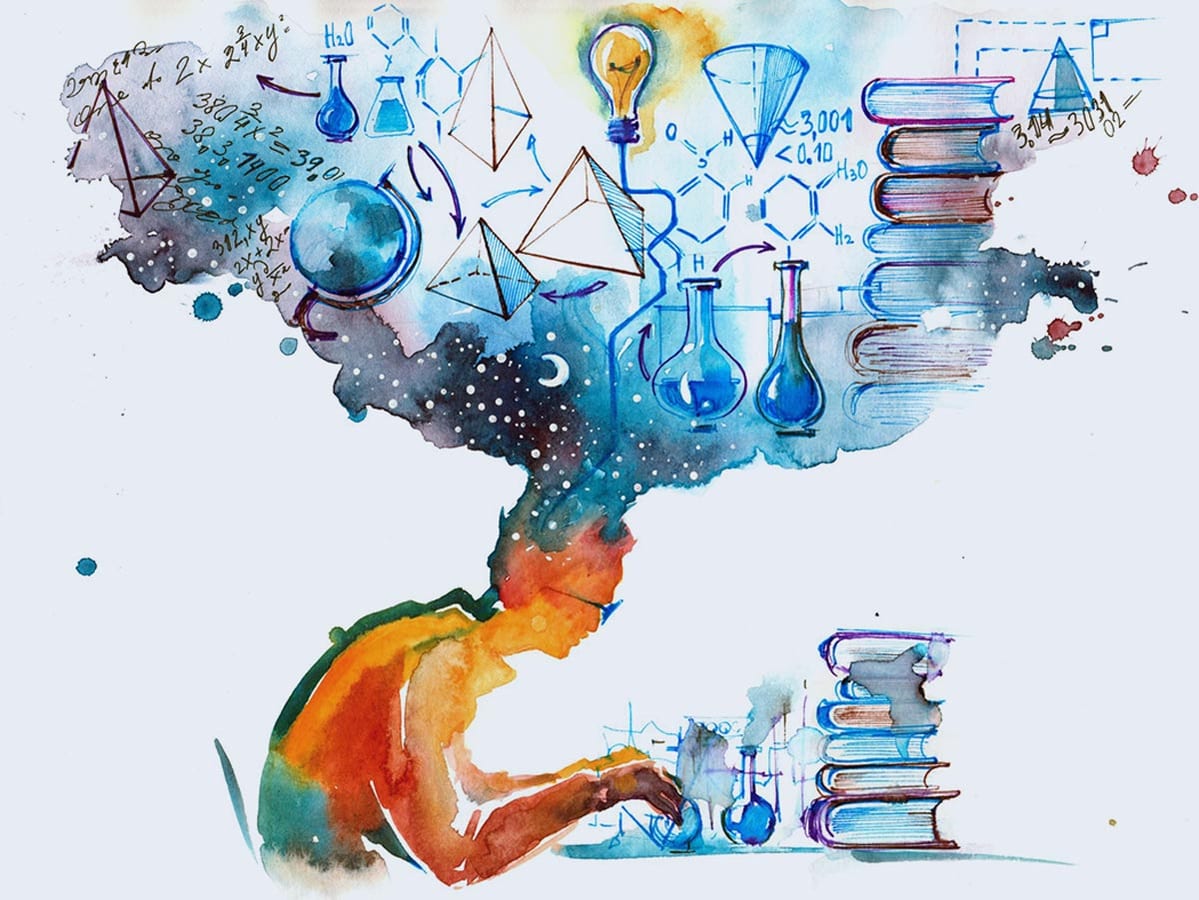 A multinational EU research project will review the role of science in policy decision-making using climate change as a proxy with the aim of establishing public trust. We live in complex times. Times when the opinion of uninformed sources in social media seems to have a stronger influence than expert...