misinformation
-
Mending a ‘fractured reality’: How can the EU reclaim its information space?
In a world where technology development sets the pace of change, even our perception of reality undergoes a rapid transformation. Disinformation is a case point: the way this false or misleading content is created, spreads and looks like, has been changing quickly. Understanding this evolving dynamics... -
An expert's opinion: Interview with Mario Scharfbillig on disinformation and democracy
Mario Scharfbillig works at the Joint Research Centre (JRC) of the European Commission and co-authored the report Fractured Reality – how democracy can win the global struggle over the information space, published by the JRC. He notes: “My answers are based on the report and do not necessarily reflect... -
An expert's opinion: Interview with Prof. Stephan Lewandowsky on disinformation and democracy
Professor Stephan Lewandowsky is a cognitive scientist at the University of Bristol (UK). His research explores people's responses to mis- or disinformation and propaganda, why people reject well-established scientific facts, such as climate change or the effectiveness of vaccinations, and the potential... -
Interview with Prof Dietram A. Scheufele on the challenges of science communication today
 More evidence does not move a skeptical public; often, it makes them sit tighter. Prof Dietram A. Scheufele, an expert in science communication at the University of Wisconsin–Madison, explains why science communication often fails on polarized topics and how AI may worsen the problem. Science communication...
 -
Mirko Bischofberger: ‘AI offers a promise of a better way of communicating’
 Dr. Mirko Bischofberger is an expert in science communication. He is a lecturer at the Swiss Federal Technology Institute of Zurich and Lausanne (ETH and EPFL), as well as the universities of Zürich and Basel. Mirko studied molecular biology, specialised in computational biology and worked for the Neue...
 -
Elisabetta Tola: ‘We need spaces to learn, share, and reflect together’
 Elisabetta Tola is a science, data, and investigative journalist. She is the co-founder and editor-in-chief of Facta.eu, an Italian independent media outlet that applies the scientific method to journalism and promotes science journalism as a cornerstone of democratic participation. Elisabetta is also...
 -
Science communication in the digital age: How to navigate the risks and rewards?
 The digital revolution and dawn of generative AI are fundamentally reshaping the conditions for science communication and journalism, giving rise to new threats but also new opportunities to improve the reach and accessibility of scientific knowledge. These themes are the focus of the European Science-Media...
 -
Science communication beyond the headlines: interview with science journalist Kai Kupferschmidt
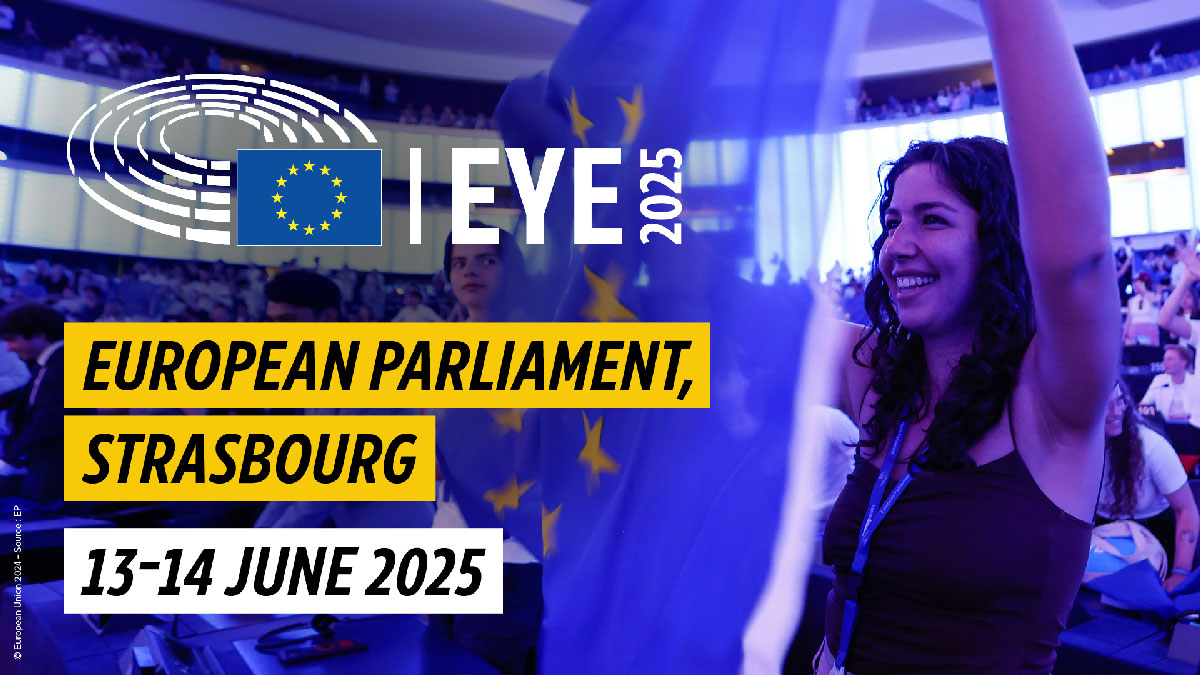 This year, on 13 June, the European Science-Media Hub hosted a science communication workshop at the European Youth Event in Strasbourg. We talked to its main speaker: 'Science' magazine journalist Kai Kupferschmidt ahead of the event. He mentions the challenges science journalism is facing and the large...