Rosa Garcia-Verdugo
 Rosa García-Verdugo studied biochemistry and, after several years at the bench, completed a PhD in Neurobiology at the Max Planck Institute. She is the author of Genética eres tú (Paidós/Grupo Planeta), a popular science book on genetics, and the founder of starvingneuron.com. She contributes to science outreach networks in Spanish and English, and works as a freelance science communicator and medical writer serving biotech companies and European research institutions.
-
Interview with Dr. Paul Stoneman: 'We see an increase in polarisation of complete trust or no trust at all in scientists'
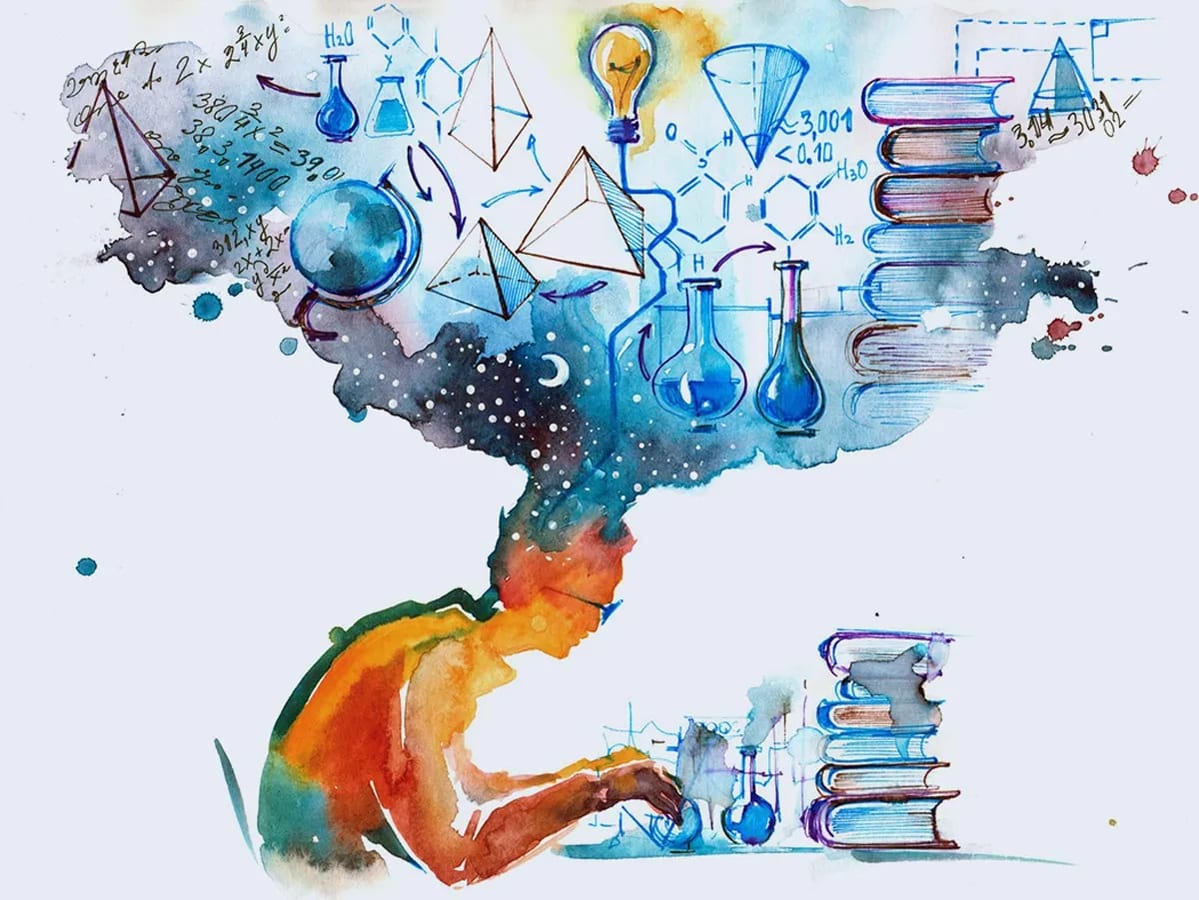 Paul Stoneman is a political scientist who specialises in quantitative methods and social and political attitudes. He is currently one of the principal investigators of the World Values Survey, an international research program devoted to the study of social, political, economic, religious and cultural...
 -
Science Media Days in Madrid: Interview with Patricia Fernández de Lis
 Interview with Patricia Fernández de Lis, multi award winning science and technology journalist and Chief-Editor of Materia, El País’ science section. Based on your long experience, what makes a good science journalist? Patricia Fernández de Lis: Although I cannot say that there is a fixed recipe,...
 -
Science Media Days in Madrid: Interview with Pampa García Molina
 Interview with Pampa García Molina, journalist, writer and editor on science, technology, health, and environment. From 2011 to 2022 she was editor-in-chief of Agencia SINC, a Spanish news agency specialised in science. Now she is editor-in-chief of ScienceMediaCentre.es, an independent office that provides...
 -
Promoting trust in science and countering misinformation: a task for all
 Misinformation is a new pandemic, one for which the only cure is knowledge. Informed audiences, media-savvy scientists, and high-quality journalism are key to counter misinformation. These are the main takeaways from the debate on 'Promoting trust in science to counter misinformation', the third event...
 -
Prof. Karim Lekadir: Applications, risks, ethical and societal impacts of AI in healthcare
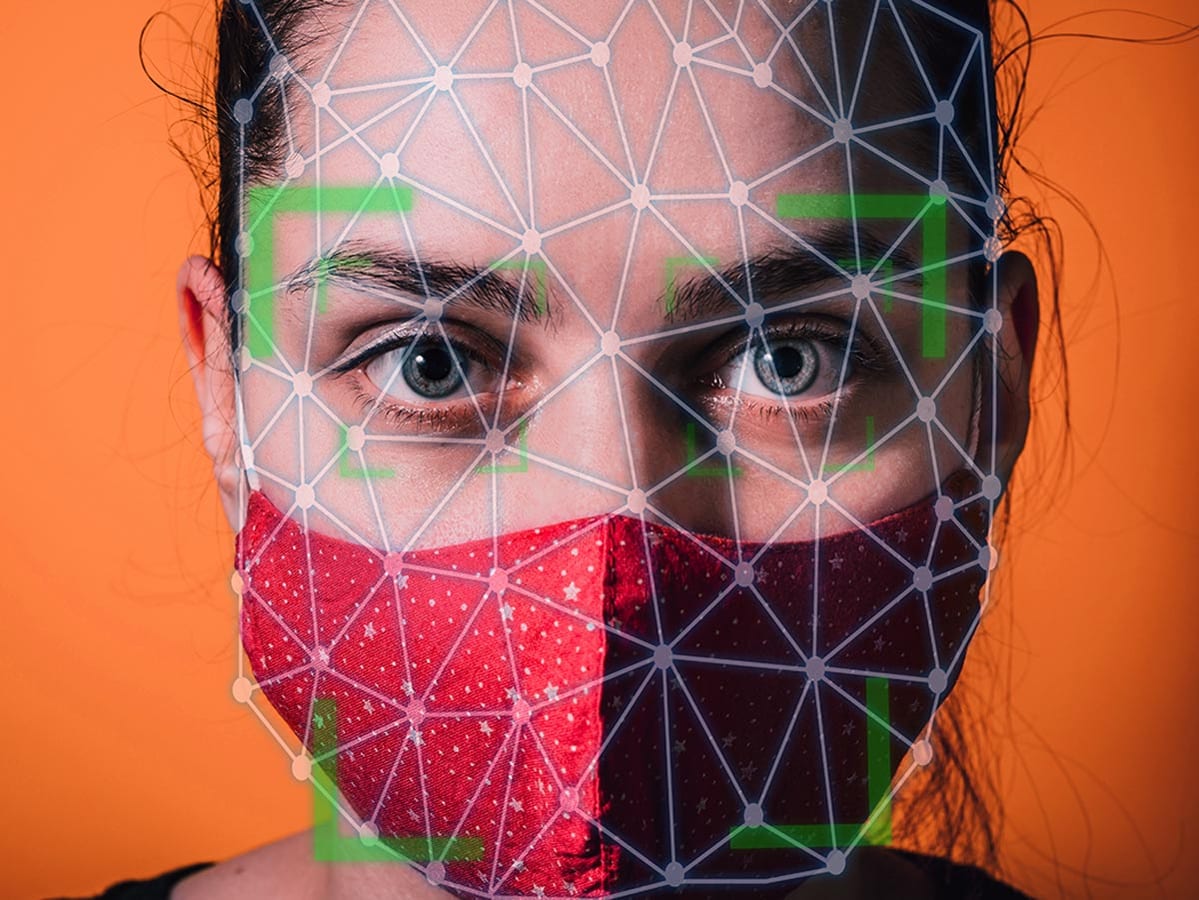 Interview with Prof. Karim Lekadir, Director of the 'Artificial Intelligence in Medicine Lab' at the Universitat de Barcelona (BCN-AIM). He co-authored a study for the European Parliament's Panel on the Future of Science and Technology (STOA) entitled 'Artificial Intelligence in healthcare: Applications,...
 -
A scientist’s opinion: Interview with Dr Sylvie Briand on Omicron
 Interview with Dr Sylvie Briand, Director of the Epidemic and Pandemic Preparedness and Prevention department at the World Health Organization (WHO). The rise of new variants, such as Omicron, appears linked to immune-deficient carriers. What is the relationship between the occurrence of these events...
 -
Omicron, another chapter in the Covid-19 pandemic
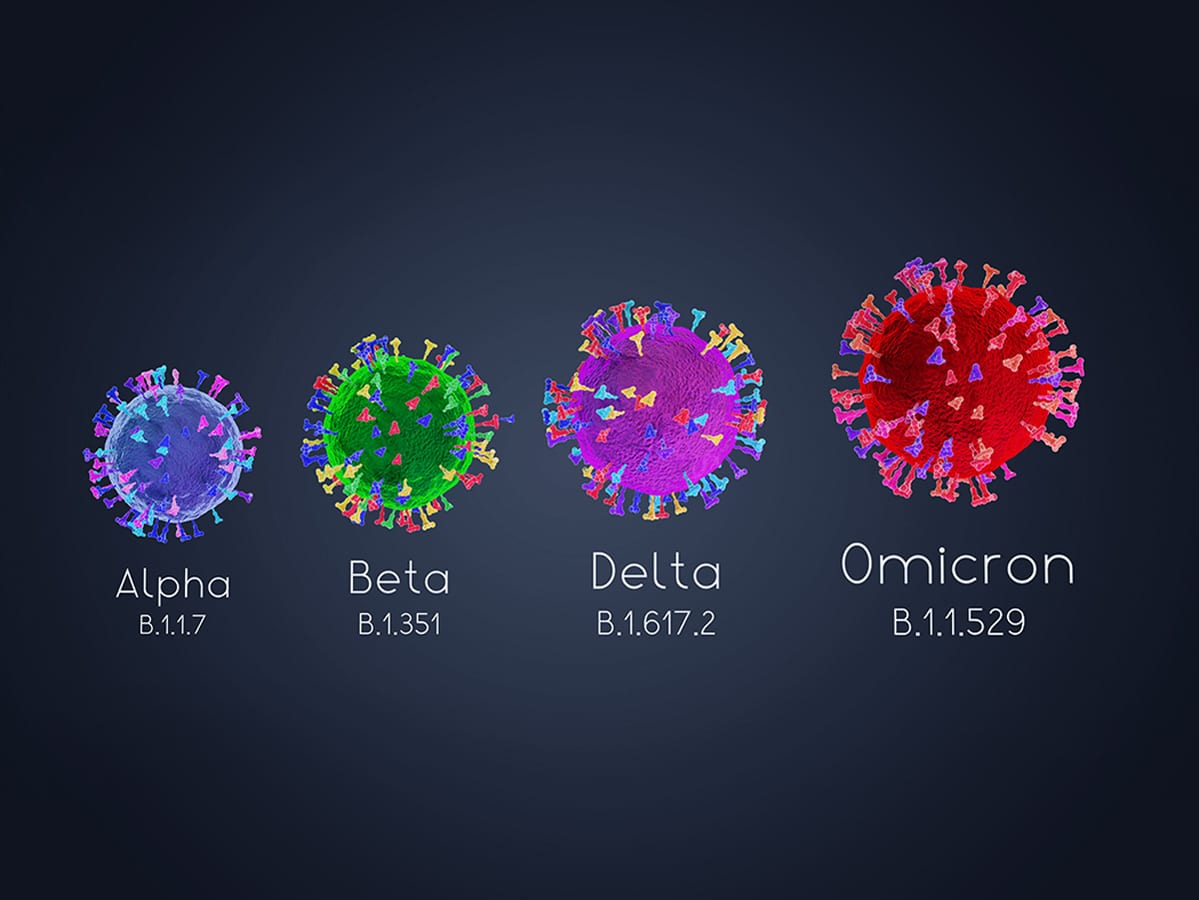
Before the winter holidays, a new, more transmissible variant was discovered. By now, Omicron is responsible for most new infections in Europe. What do we know so far? And what are the future possible scenarios?
-
A scientist’s opinion: Interview with Dr Ole Heuer on Omicron
 Interview with Dr Ole Heuer, Public Health Emergency Manager for the Covid-19 pandemic at the European Centre for Disease Prevention and Control (ECDC). What do we know about the severity of the symptoms associated with the Omicron variant? Ole Heuer: By 21 January 2022, there were more than 150000...