
Rosa Garcia-Verdugo
 Rosa García-Verdugo studied biochemistry and, after several years at the bench, completed a PhD in Neurobiology at the Max Planck Institute. She is the author of Genética eres tú (Paidós/Grupo Planeta), a popular science book on genetics, and the founder of starvingneuron.com. She contributes to science outreach networks in Spanish and English, and works as a freelance science communicator and medical writer serving biotech companies and European research institutions.
-
Fostering trust in the digital age: ensuring the quality of online information
 If there is one thing the COVID-19 pandemic highlighted, it is how digital misinformation can severely impact public discourse and decision-making. It underscores the critical need for reliable scholarly communication online. We discuss these challenges with Dr. Suzanne Dumouchel, co-coordinator of...
 -
From forever chemicals to safer alternatives: coordinated efforts to improve chemical safety in Europe
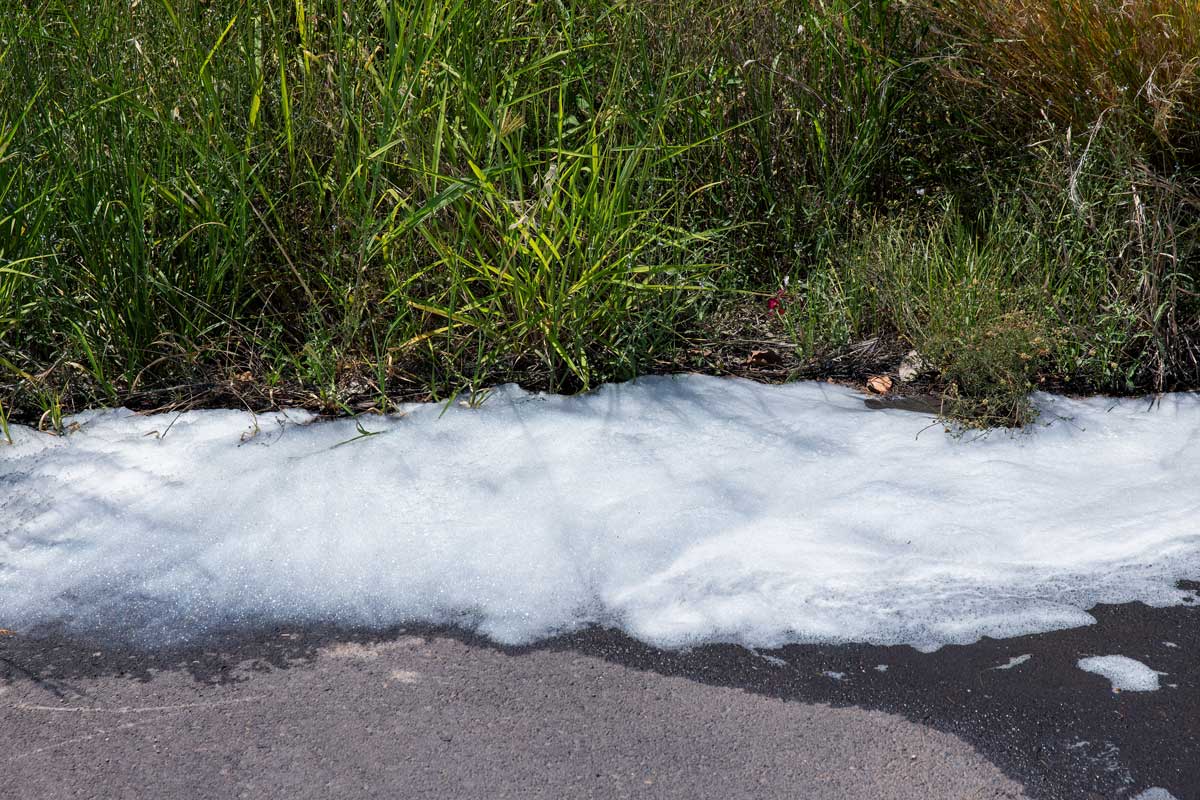 The presence of harmful chemicals in the environment, such as PFAS, pesticides and harmful chemicals found in (micro) plastics, poses a challenge. Not only to our planet but also to our health. What can we do to minimise chemical risks? We spoke with Pascal Sanders, project coordinator of PARC (Partnership...
 -
STOA high-level conference 'Perspectives on Academic Freedom in Europe and beyond'

On Wednesday 5 February at 14h-17h CET, the high-level conference 'Perspectives on Academic Freedom in Europe and beyond' took place in the European Parliament’s library room in Brussels. You can watch the recording of the event.
-
Revolutionising food production: 'Similar to making wine'
 Peter Rowe is part of the REACT-FIRST consortium and CEO of Deep Branch, a British carbon recycling biotechnology company. They have pioneered a process that uses microbes to convert carbon dioxide from industrial emissions and turns them into high-value proteins. This way, they aim to secure the global...
 -
Food made from air - sustainable protein production imitates nature
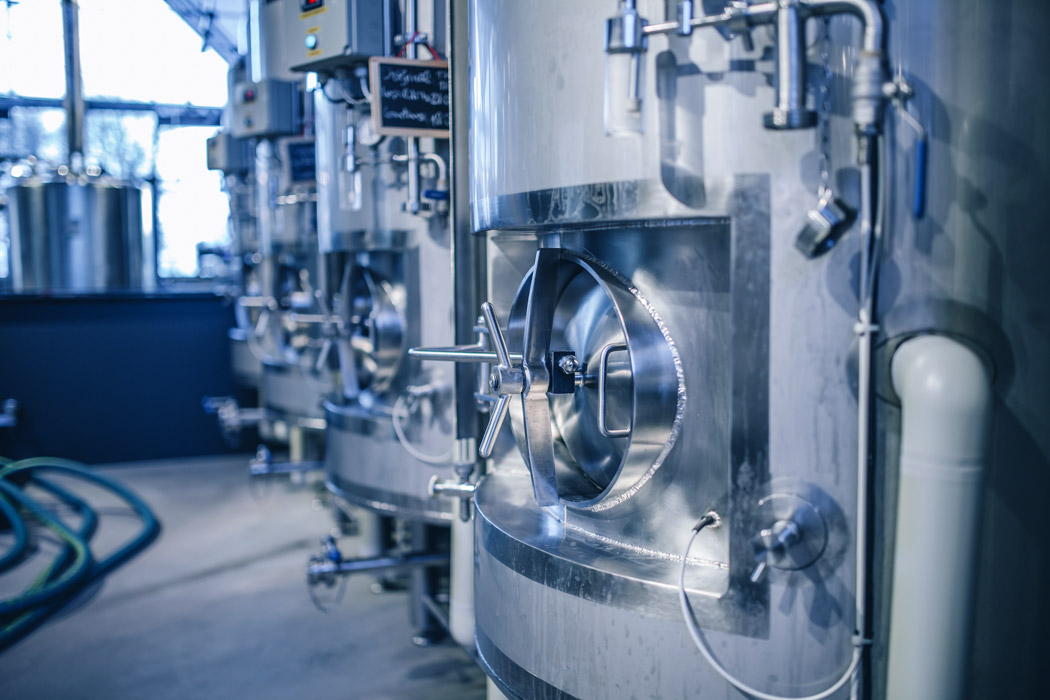
Feeding an expanding global population has a high cost, particularly for the planet. However, new food production methods aim to relieve this pressure by fixating atmospheric CO2 into climate-friendly food and feed products.
-
Producing milk with CO2 and electricity
 Milk without cows: the European Hydrocow project, funded by the European Innovation Council, aims to produce milk with carbon dioxide (CO2) and electricity, removing the cow from the process. They are working on engineering a microbe that converts CO2 and hydrogen, produced from water using electricity,...
 -
Tackling rare diseases together: Prof. Kjeld Schmiegelow proposes more collaboration and EU expert hubs
 "Multinational rare disease expert hubs would speed up research, innovation and development", says Kjeld Schmiegelow, Professor of paediatrics and paediatric oncology at the Copenhagen University Hospital (Denmark). Together with his colleagues, he proposes an EU level framework for data sharing and...
 -
Are children skilled enough for the digital world?

Digital technologies are part of modern, daily life. Not just for adults but also for children. Do they have the necessary skills to master them, though?